


Own the Journey with the BearTracker 885 CB Radio
Real-time alerts, GPS-enabled scanning, 40 CB channels, and nationwide coverage for unmatched road awareness.
Shop NowUniden CB Radios | Handheld & Mobile CB Radios
CB Radio Solutions for Long-Range, Reliable Communication
For reliability on the road, the answer is clear. A Uniden CB Radio gives you real-time communication that smartphone apps can’t touch. CBs are about the drivers next to you. Get local traffic, weather, news, and even tips on the best trucker-friendly restaurants, right from the palm of your hand.
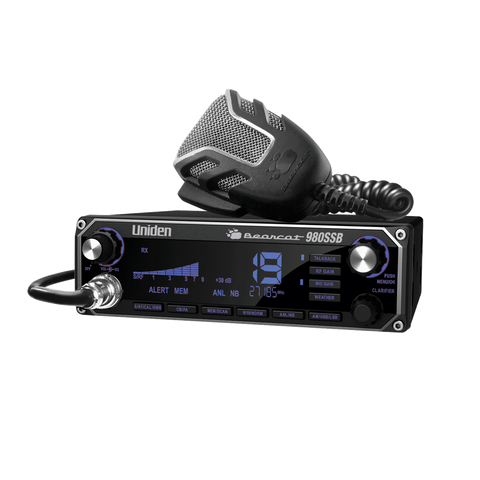
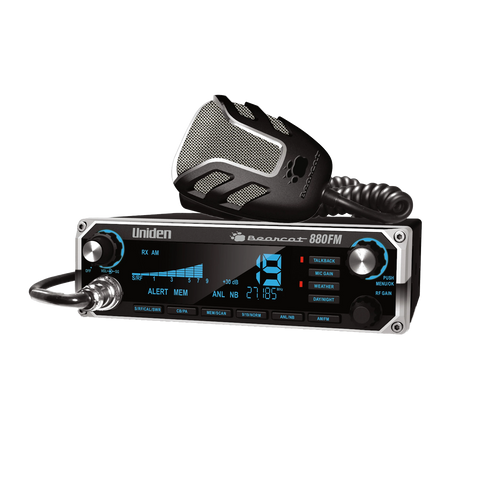
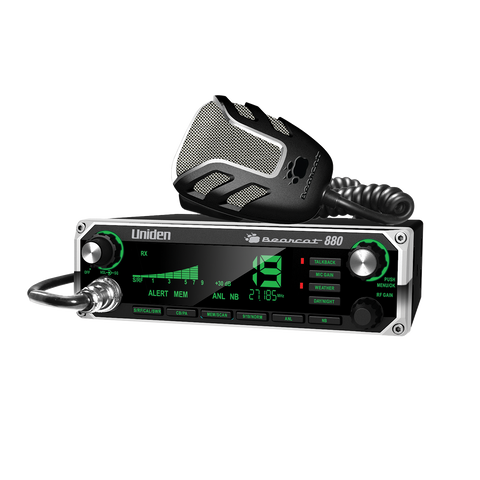
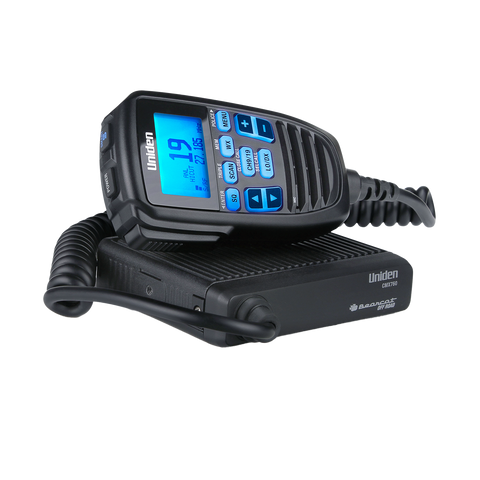


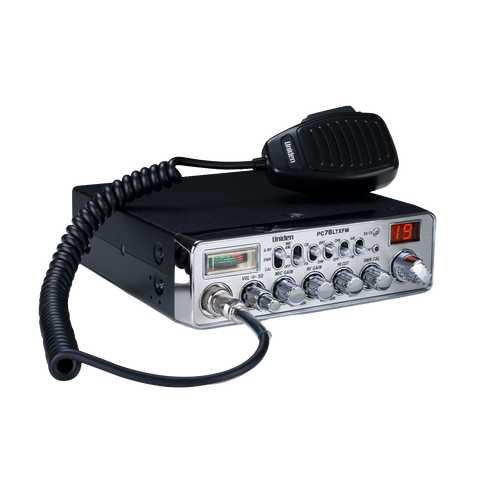
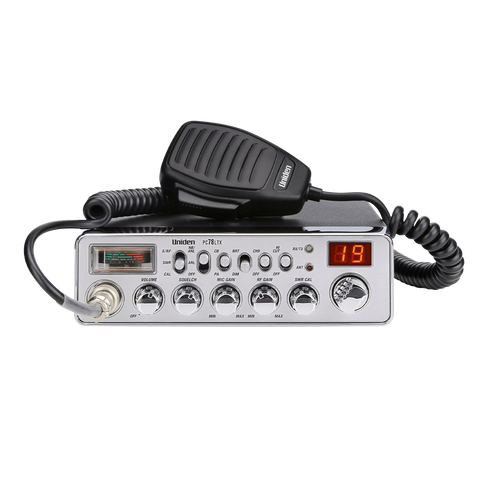
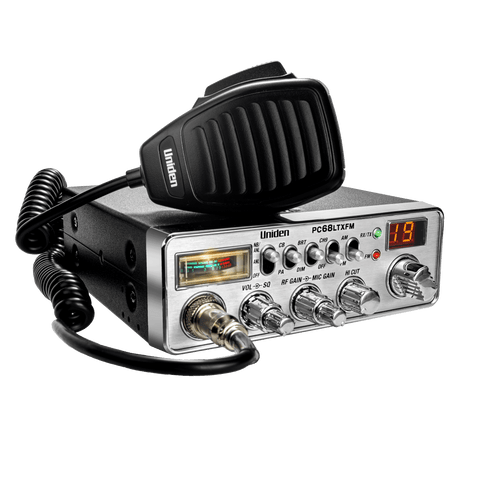
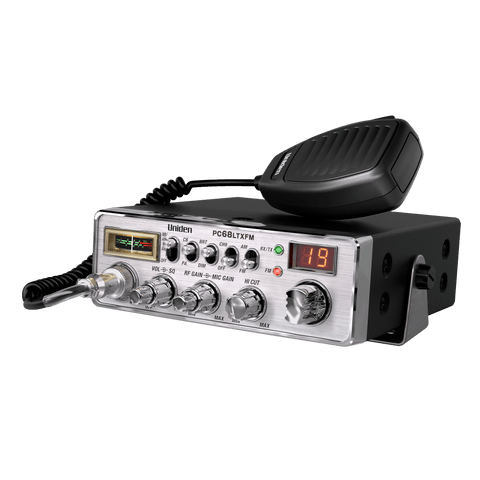
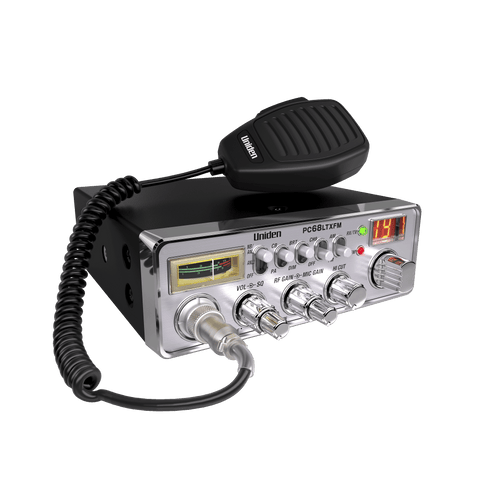
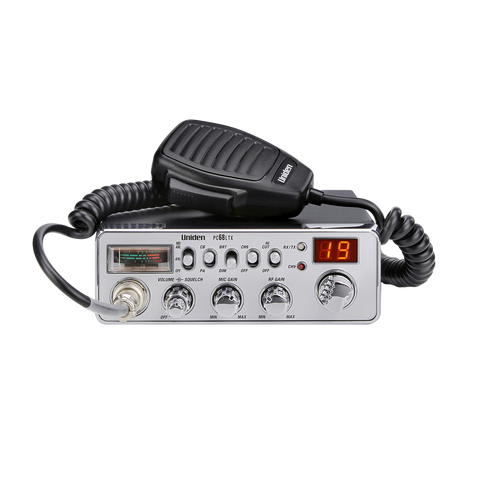
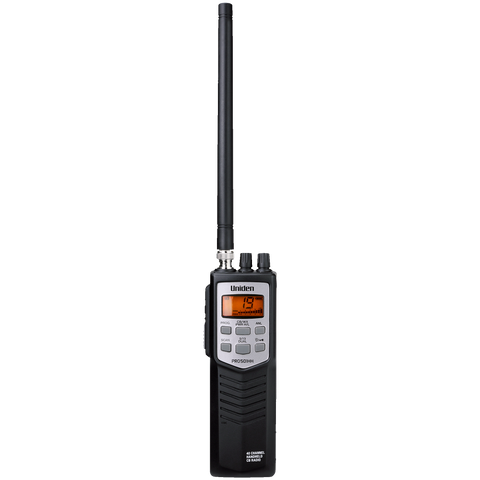
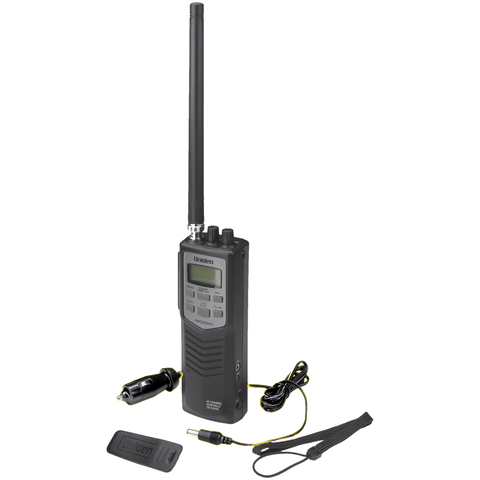
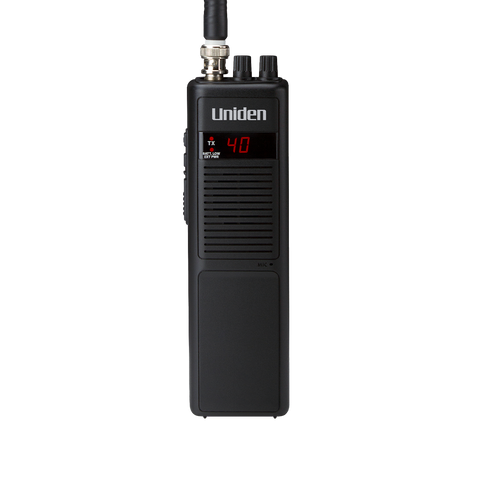
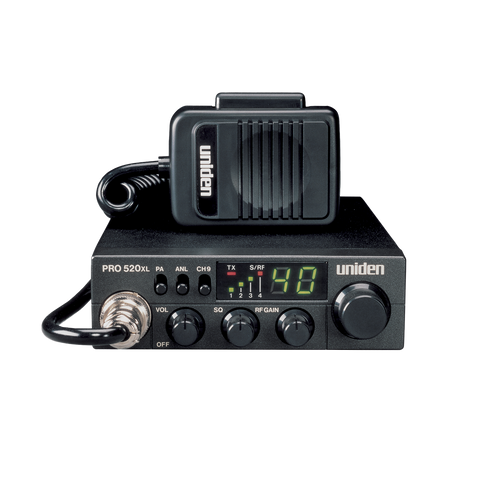
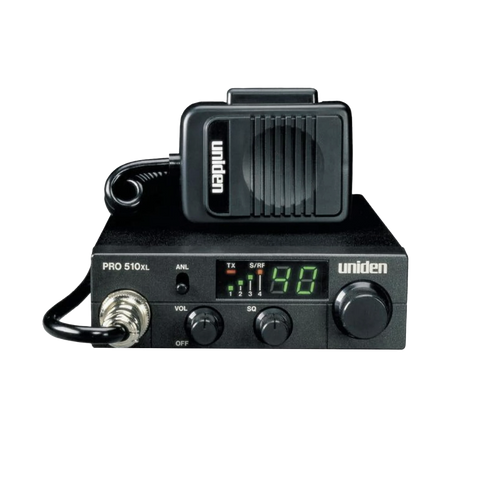
Bearcat 880
Stay Connected with Unmatched Clarity
Equipped with 40 channels, a customizable display, SWR Calibration, NOAA Alerts, and noise-canceling technology.
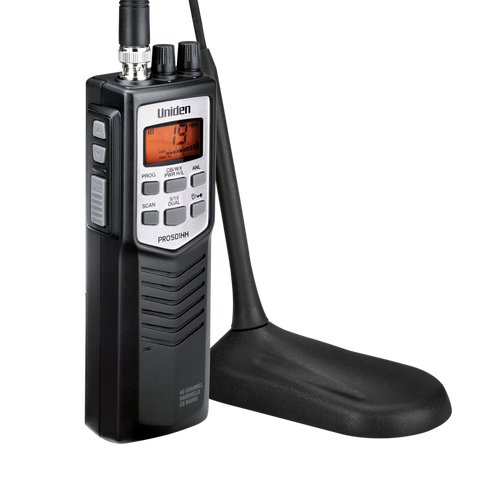
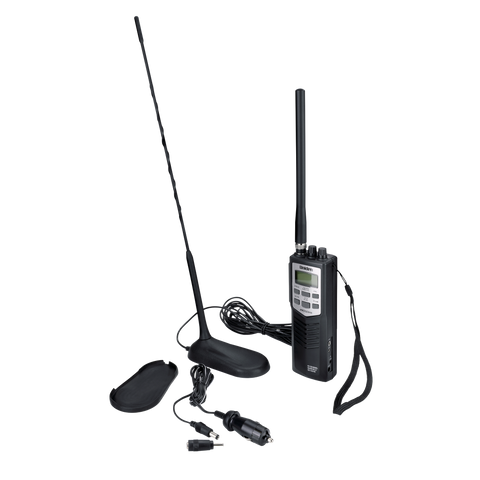
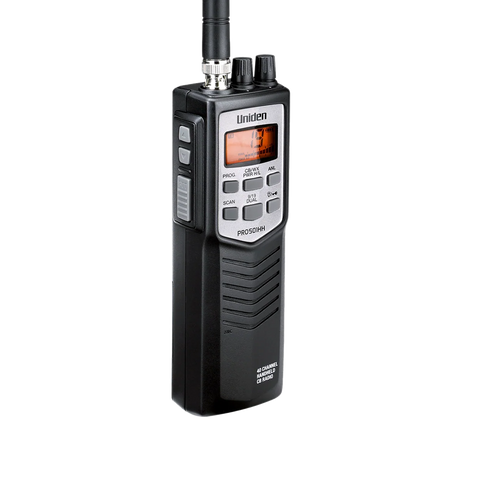
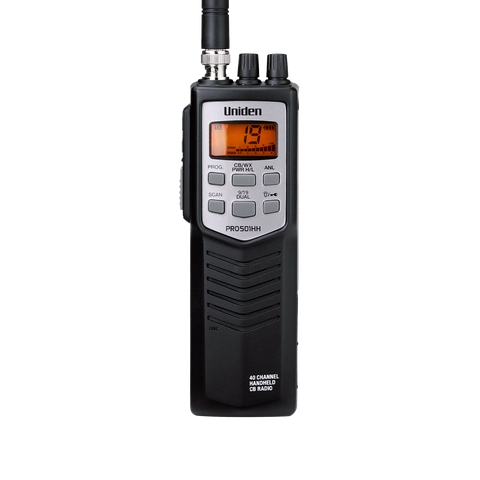
Uniden PRO501HH
Reliable Range, with a Trusted Connection
Stay connected anywhere with dependable range, crystal-clear audio, and rugged portability for every adventure.
RV travelers still choose a CB radio because it delivers dependable communication in places where cell service fails. This makes CB a trusted tool for staying connected on long trips.
- Reliable coverage. CB radios work across highways, campgrounds, national parks, and remote areas where phones lose signal.
- Real-time road updates. RV travelers receive immediate warnings from nearby drivers about traffic, accidents, closures, and hazards.
- Truck driver channel access. Channel 19 offers direct connection with truckers who often share the most accurate on-road guidance.
- No license or fees. CB radios require no subscription, license, or ongoing service plan.
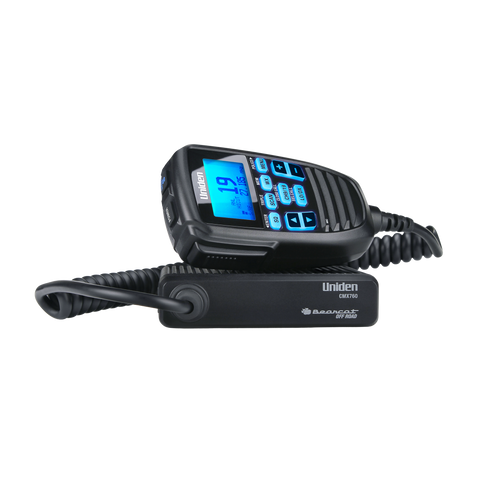
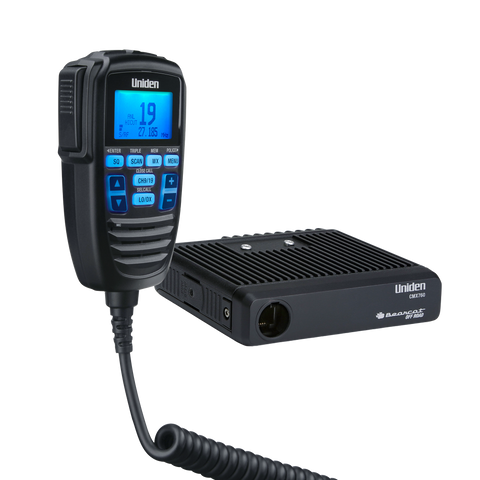
- Multiple RV-friendly options. Uniden models such as the Bearcat 880 , PRO401HH handheld, CMX760 compact radio, and BearTracker 885 fit different installation and travel needs.
- Portable communication. Handheld CB radios make campsite coordination and multi-vehicle travel easier.
- Improved range with tuning. A well-tuned antenna also boosts distance for caravans, off-grid adventures, and long highway routes.
- Emergency reliability. Any CB user can respond instantly without needing a matching device, app, or network. Most Uniden CB radios also include NOAA real-time weather alerts, which provide storm warnings and critical updates during travel.
Explore Uniden’s full line of CB radios in order to find the model that supports safer and more confident RV travel.
A CB radio helps drivers stay updated by delivering real-time information from nearby motorists and automated systems. This creates faster awareness than apps or cell-based services.
- Instant driver reports. Nearby CB users share live updates about accidents, slowdowns, debris, and road hazards as they happen.
- Channel 19 activity. Truck drivers actively use Channel 19 to broadcast traffic issues, giving everyday drivers and RV travelers reliable guidance.
- Local, ground-level information. CB radios capture real-world conditions from people on the same road, which improves situational awareness during long trips.
- NOAA weather alerts. Many Uniden CB radios include NOAA Weather Alert functions in order to warn drivers about storms, high winds, flash floods, and severe weather.
- No cell service required. CB radios continue working in mountains, rural corridors, and dead zones where mobile apps stop providing updates.
- Fast emergency communication. Drivers can call out hazards immediately, and anyone within range can respond without needing paired devices or networks.
- Consistent updates during events. In traffic jams or severe weather, CB radios keep drivers informed when apps lag or refresh slowly.
Explore Uniden’s complete line of CB radios in order to stay better informed on every drive.
Truck drivers and overlanders value CB radios that deliver dependable communication, strong audio clarity, and rugged performance across long routes. These features can also make daily driving and off-road travel safer and more coordinated.
- Strong transmit and receive performance. Clear communication helps drivers coordinate, avoid delays, and stay aware of road conditions.
- NOAA Weather Alerts. Built-in NOAA alerts warn travelers about severe storms, high winds, and fast-changing weather patterns.
- Backlit or color-adjustable displays. Easy-to-read screens support nighttime driving and bright outdoor conditions.
- Durable construction. Rugged radio bodies and vibration-resistant designs can also hold up to rough roads, trail use, and long-haul driving.
- Compact or remote-mount options. Space-saving radios like the Uniden CMX760 fit modern truck cabins and off-road builds with limited dash space.
- Hands-free or one-touch controls. Simple controls help drivers operate the radio safely while keeping attention on the road.
- SWR and antenna tuning support. Built-in tools help users improve range, which is essential for large truck routes and remote overland trails.
- PA capability. Many truckers also use external PA speakers for yard maneuvers or quick communication outside the cab.
- Portable options for field use. Handheld CBs like the Uniden PRO401HH support campsite coordination, spotting, and vehicle-to-vehicle travel.
Explore Uniden’s professional and adventure-ready CB radios in order to choose the features that match your driving needs.
The main difference between a CB handheld radio and a mobile truck CB radio comes down to power, range, and how each unit is used. Both serve important purposes, but they fit different communication needs.
- Power and range. Mobile CB radios installed in trucks deliver stronger output and better antenna systems, which provide longer range than handheld CBs.
- Antenna performance. Vehicle-mounted antennas allow mobile CB radios to reach farther, while handheld antennas are shorter and limited by size.
- Ideal use cases. Handheld CB radios like the Uniden PRO401HH work well for campsite coordination, short-range communication, and walking around the vehicle. Mobile CB radios like the Uniden Bearcat 880 or CMX760 support long-distance driving and highway travel.
- Installation needs. Mobile CB radios require power wiring and mounting, while handheld CBs run on batteries or vehicle adapters.
- Audio clarity. External speakers and microphones give mobile CB radios clearer audio, especially in loud environments such as trucks or off-road vehicles.
- Durability and endurance. Mobile CB radios offer consistent performance over long trips, while handheld units depend on battery life and compact construction.
- Emergency versatility. Handheld CBs are useful during roadside assistance or spotting, while mobile CB radios provide more reliable long-range communication during travel.
Explore Uniden’s handheld and mobile CB radios in order to decide which type best supports your driving style.
Many CB radio models offer NOAA Weather Alerts and dedicated features that support emergency communication. These tools help drivers stay aware of fast-changing conditions and call for assistance when needed.
- NOAA Weather Alerts availability. Many Uniden CB radios provide built-in NOAA Weather Alert functions that warn drivers about storms, severe weather, and sudden changes in conditions.
- Continuous weather monitoring. Some models can scan NOAA channels automatically, which keeps users updated without switching away from CB communication.
- Emergency communication through open channels. CB radios do not use a traditional “911 channel,” but drivers can broadcast emergency messages on any channel and nearby users can respond immediately.
- Channel 9 guidance. Channel 9 is historically recognized for emergencies, and many CB communities still monitor it to assist stranded drivers.
- No network dependency. Because CB radios do not rely on cell towers or apps, emergency communication works in remote areas, dead zones, and off-grid regions.
- Support across multiple radio types. Both mobile models like the Uniden Bearcat 880 and CMX760 and handheld options like the Uniden PRO401HH offer weather channels or alert capability.
- Added safety during travel. Real-time weather updates combined with direct driver-to-driver communication help motorists make safer decisions during storms, closures, or unexpected hazards.
Explore Uniden’s NOAA-ready CB radios in order to stay informed and better prepared during every drive.
A CB radio compares differently to long-range 2-way radios because each system is designed for specific communication needs. CB offers open, license-free communication, while other long-range radios focus on power, privacy, and structured channel use.
- Frequency differences. CB radios use 27 MHz AM/FM frequencies, which travel well over open terrain. Long-range 2-way radios such as GMRS or business-band radios use UHF frequencies designed for penetration through buildings, trees, and obstacles.
- Range expectations. CB range depends heavily on antenna length and tuning. Long-range 2-way radios often deliver more consistent performance in varied environments due to higher allowed power levels.
- License requirements. CB radios require no license. On the other hand, GMRS and many long-range UHF radios require an FCC license for legal operation.
- Antenna considerations. CB radios use longer antennas in order to achieve usable range, especially on vehicles. UHF radios use shorter antennas while still performing well.
- Emergency usability. CB radios offer open communication where anyone nearby can respond. Long-range 2-way radios usually require compatible radios on the same system or frequency group.
- Weather alert features. Many Uniden CB radios include NOAA Weather Alerts, while not all long-range 2-way radios offer built-in weather functions.
Vehicle travel advantages. CB is preferred for highway travel because of active driver communities, especially truckers. Long-range 2-way radios are preferred for structured groups, off-road clubs, and coordinated team use. - Cost and setup. CB radios remain affordable and simple to install. Long-range 2-way radios may include higher costs, licensing, and specific equipment requirements.
Explore Uniden’s CB radios and long-range communication options in order to choose the system that matches your driving and travel style.
Yes, the BearTracker 885 CB radio model include digital features and scanning functions that improve awareness, clarity, and safety on the road. These enhancements help drivers stay informed without needing extra equipment.
- NOAA Weather Scan. Many Uniden CB radios include NOAA Weather Scan in order to deliver automatic alerts for severe storms, fast-changing conditions, and emergency warnings.
- Channel scanning. Digital scan modes sweep through all CB channels and stop when activity is detected, which helps users monitor conversations and track nearby drivers.
- Memory channel storage. Some models allow users to save favorite channels for quick access, which supports common routes or group communication.
- BearTracker digital alert system. The Uniden BearTracker 885 combines a CB radio with a digital scanner that monitors nearby public safety activity and alerts the driver to local transmissions.
- Squelch and RF gain controls. These digital-adjustable settings help users fine-tune signal sensitivity in order to get better range and reduced interference.
- Backlit digital displays. Modern CB radios feature adjustable lighting, which improves visibility in both bright and nighttime driving conditions.
- Compatibility with external accessories. Many models support optional add-ons such as external speakers, wireless microphones, and upgraded antenna systems in order to extend functionality.
Explore Uniden’s advanced CB radios in order to choose a model with the digital features and scanning tools that fit your driving needs.
The easiest CB radio setup for beginners is a simple mobile unit or handheld model paired with a pre-tuned antenna. This approach avoids complicated tuning and delivers reliable communication right away.
- Simple mobile radios for plug-and-play use. Models like the Uniden CMX760 or Bearcat 880 install easily with basic power connections and clear controls.
- Handheld CB radios for zero installation. A handheld unit such as the Uniden PRO401HH works immediately out of the box and requires no wiring.
- Pre-tuned or magnet-mount antennas. Beginners benefit from antennas that require little to no SWR adjustment, which makes setup faster and more reliable.
- Clear displays and easy controls. Big knobs, backlit screens, and simple channel layouts help first-time users in order to navigate without confusion.
- NOAA Weather Alerts included. Built-in weather channels give beginners automatic updates for storms and travel hazards.
- Compact designs that fit any vehicle. Small-body radios are easier to mount and avoid clutter, especially for new users unsure of ideal placement.
Explore Uniden’s beginner-friendly CB radios in order to find the easiest setup for learning CB communication.
SWR tuning is important because it ensures the antenna and radio work together efficiently. Proper tuning protects the radio, improves communication range, and provides clearer performance on every channel.
- Protects the radio from damage. High SWR forces power back into the radio, which can overheat or damage internal components.
- Improves signal strength. A well-tuned antenna allows more power to leave the radio, which increases outgoing range and clarity.
- Enhances incoming reception. Lower SWR improves the radio’s ability to receive weaker signals, which helps during long-distance communication.
- Ensures consistent performance across channels. Proper tuning keeps SWR stable on all 40 CB channels instead of only one or two.
- Maximizes efficiency with any model. Whether using a Uniden mobile CB or a handheld CB with an external antenna, SWR tuning improves overall reception and transmitting performance.
- Supports safer communication in remote areas. Better range means clearer contact with nearby drivers, especially during breakdowns or emergencies.
- Reduces background noise. Balanced antennas often produce cleaner audio with less static and interference.
Explore Uniden’s CB radios and compatible antennas in order to build a properly tuned setup with clear and reliable communication.
Portable CB radios require minimal setup, but performance improves when paired with the right antenna. Most handheld units work immediately, yet a few simple steps help users get the best range and clarity.
- Basic out-of-box operation. Handheld CB radios like the Uniden PRO401HH work right away with factory settings and require no technical setup.
- No antenna tuning for stock use. Built-in or short handheld antennas do not require SWR tuning, which makes portable CBs easy for beginners.
- Improved range with external antennas. Adding a magnetic-mount or long whip antenna can also increase distance and may benefit from SWR checking.
- Battery and power setup. Portable CBs run on AA batteries or vehicle adapters, so users only need to insert batteries or plug into a 12V outlet.
- Channel and squelch adjustment. Simple controls help manage noise and improve clarity without any advanced calibration.
- Optional accessories for better clarity. External mics, earpieces, or upgraded antennas improve communication and longevity with very little configuration required.
- Weather alert readiness. Many portable CB radios include NOAA Weather Alerts, which also activates automatically without extra tuning.
Explore Uniden’s portable CB radios in order to enjoy simple, reliable communication with minimal setup.
The best mounting location for a truck CB radio is a spot that keeps the radio accessible, secure, and clear of driver obstructions. Good placement improves safety, audio clarity, and overall performance.
- Dash or console mounting. Many drivers install radios near the center dash for easy visibility and quick access to controls.
- Overhead mounting. Overhead consoles keep the radio close to the driver while freeing up dash space, which is ideal for larger cabins.
- Remote-mount options. Compact radios like the Uniden CMX760 use a remote control head, which then allows the main body to mount under a seat or behind the dash.
- Mounting near 12V power. Locating the radio close to a clean power source can also reduce noise and simplifies installation.
- Avoiding airbag zones. The unit should never block or interfere with airbags, steering controls, or critical safety dashboard features.
- Clear microphone access. The mic should hang within arm’s reach, therefore allowing drivers to grab and return it safely without distracting from the road.
- Cable-friendly placement. Mounting areas should then allow smooth routing for the coax cable, which helps maintain strong antenna performance and low interference.
- Visibility without distraction. A good mounting spot provides clear display visibility without pulling the driver’s eyes too far off the road.
Explore Uniden’s full selection of mobile CB radios in order to choose a model that fits your preferred mounting style.
If your CB radio cannot transmit or receive clearly, the issue is usually related to the antenna, power, or nearby interference. A few quick checks can restore performance and improve range.
- Check antenna connections. Loose or corroded coax connections reduce signal strength, so confirm everything is tightened and seated properly.
- Inspect the antenna for damage. Bent, cracked, or poorly mounted antennas weaken both transmitting and receiving performance.
- Verify SWR tuning. High SWR reduces clarity and range. Retuning the antenna often fixes weak audio, short distance, or distorted signals.
- Confirm proper grounding. A poor ground connection limits range, so ensure the antenna mount and chassis points are clean and secure.
- Test with a known-good antenna. Switching to a backup or borrowed antenna helps identify whether the antenna or radio is causing the issue.
- Reduce local interference. Engine noise, LED lights, and chargers may consequently cause static. Using RF gain, squelch, or noise reduction controls helps clean up the signal.
- Check power and wiring. Low voltage or loose wiring can also affect performance. Direct-to-battery power often improves clarity.
- Evaluate microphone function. Faulty or damaged mics reduce transmit quality. Confirm the microphone is plugged in securely and test with another if possible. This applies to both the transmit and the receive functions.
- Try a different location. Moving the vehicle or antenna away from metal obstructions can also improve performance during testing.
- Reset or test the radio. Simple resets or using another CB radio to compare signals can quickly identify whether the device needs repair.
Explore Uniden’s CB radios and accessories in order to maintain a clear and reliable communication setup.
Yes, many CB radios can connect to an external speaker in order to provide louder, clearer audio. This upgrade is especially helpful for truck drivers and off-road travelers who drive in noisy environments.
- External speaker jacks. Most Uniden mobile CB radios also include a dedicated output for plugging in an external speaker.
- Improved volume and clarity. External speakers project louder audio, which helps drivers hear transmissions over engine noise, wind, or highway conditions.
- Better sound direction. Drivers can also mount an external speaker closer to ear level, which improves clarity and reduces missed calls.
- Noise-canceling options. Many aftermarket speakers include noise filters that reduce background hum, static, and electrical interference.
- Compatibility across models. Radios like the Uniden Bearcat 880 base mount, CMX760 compact base mount, and BearTracker 885 hybrid support external speakers for enhanced listening performance.
- Simple installation. Most speakers use a standard 3.5mm plug, which also makes installation quick and beginner-friendly.
- Useful for larger cabins. RVs, semis, and off-road rigs benefit from louder audio that travels across wider interior spaces.
- Optional PA speaker support. Some Uniden CB radios allow connection to a PA horn in order to broadcast messages outside the vehicle.
Explore Uniden’s CB radios and external speaker accessories in order to improve audio performance in loud driving conditions.
Most traditional CB radios do not require firmware updates, but specialty or digital-enhanced models may offer update tools. Checking for updates ensures your radio has the latest features, improved stability, and the best performance.
- Identify whether your model supports updates. Standard CB radios rarely include firmware tools, while digital-enhanced models like the Uniden BearTracker 885 may offer update capabilities.
- Visit the manufacturer’s support page. Uniden provides firmware files, update instructions, and feature notes on its product pages.
- Check the radio’s manual. The owner’s manual often lists whether firmware or feature updates are available and how to apply them.
- Look for a USB or data port. Radios with update capability typically include a microSD card and an included standard SD card converter in order to connect to a computer.
- Review software requirements. Some models require companion software, which therefore ensures updates install correctly and include the latest performance improvements.
- Contact customer support. Support teams can confirm whether your model needs an update or if a newer feature set is available.
Explore Uniden’s support resources in order to keep your CB radio updated with the latest improvements and capabilities.